More Hibiscus info
Gladden the heart with this tart & tangy ally.
What are the Benefits of Hibiscus? When you brew our Hibiscus tea, you’ll witness its rich ruby color infusing into your cup almost instantly. We consider it a visual representation of the health benefits of hibiscus releasing into your cup.
Its deep red hue is a unique characteristic that’s useful beyond beauty. It’s a direct indicator of the presence of anthocyanins, which play an important role in hibiscus’ ability to support the cardiovascular system including heart health.* As a diuretic, hibiscus supports urination and gentle overall detoxification by helping the kidneys in their natural elimination process.*
To receive the benefits of hibiscus’ water-soluble compounds, it is best consumed as an herbal infusion, otherwise known as a tea. Classified as a refrigerant in Traditional Chinese Medicine, a hot or chilled infusion of hibiscus can be enjoyed for its cooling properties on a hot summer day. With food safety in mind, we recommend brewing with boiling water first, then allowing to cool.
The origin of hibiscus is debated in the plant science community. It possibly originated in West Africa and Angola, making its way via tropical America to Indonesia by the 17th century. Thanks to its beloved beauty and benefits, and love of warm and humid climates, it is now cultivated worldwide in the tropics.
Its pleasantly tangy taste that’s mildly fruity and lemony, made it a classic West Indian ingredient to color and flavor rum. Other cultures utilize the oil-containing seeds as food.
Historical records dating around 1830 reported that the mucilaginous, or slippery, nature of the herb was being used as a softening agent in poultices. Not until the beginning of this century was it first described as a mucilloid (soothing, emollient agent) and aromatic substance for tea mixtures and other refreshing drinks.
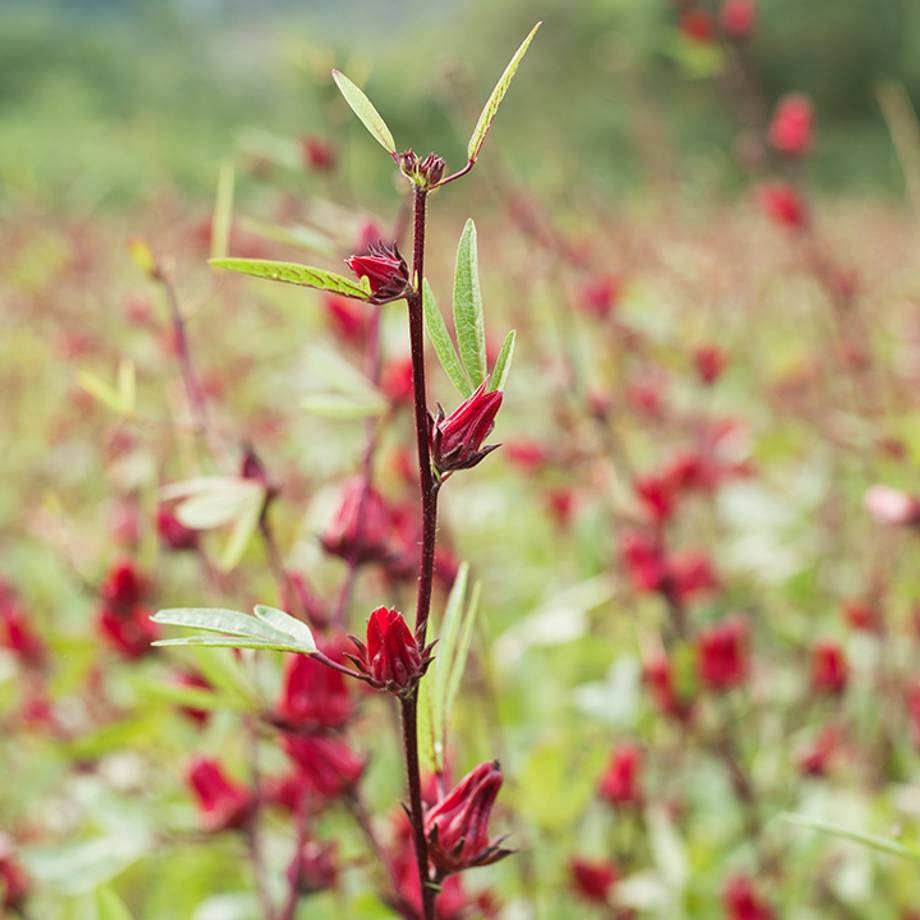
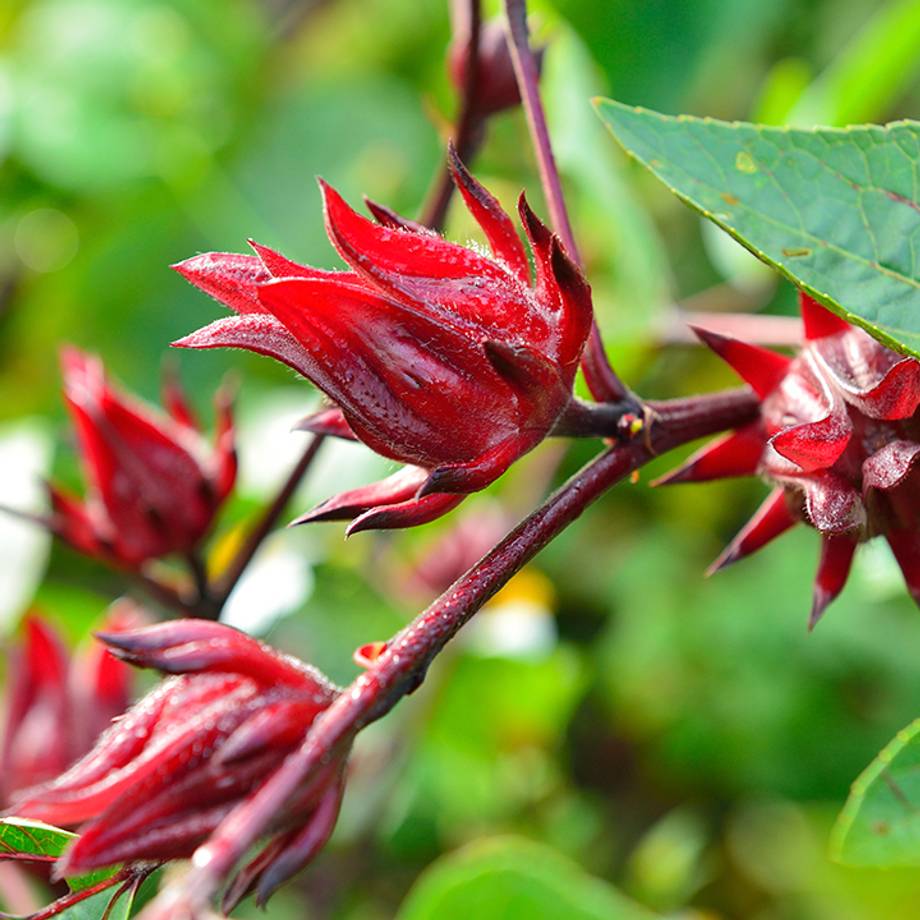
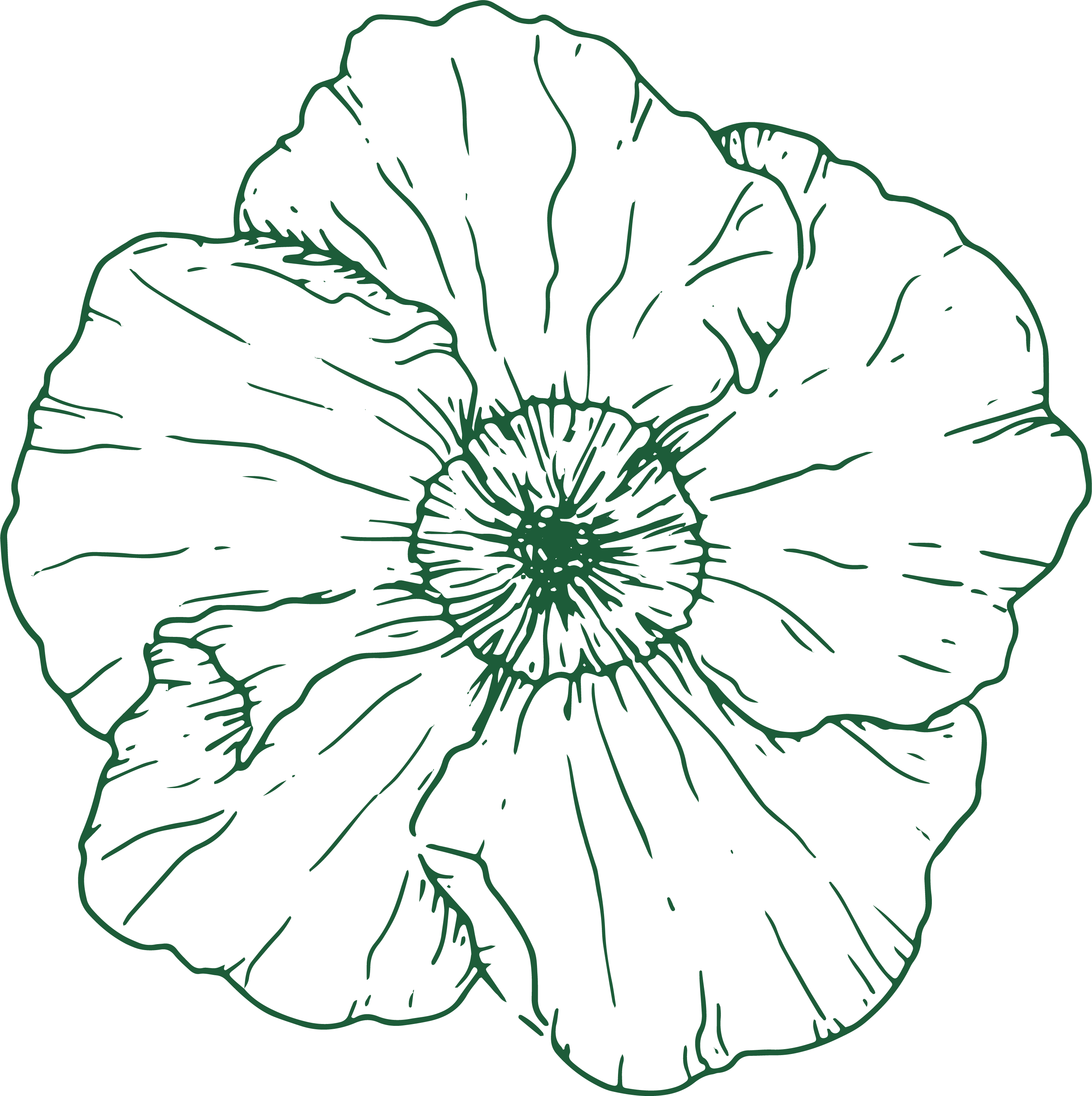
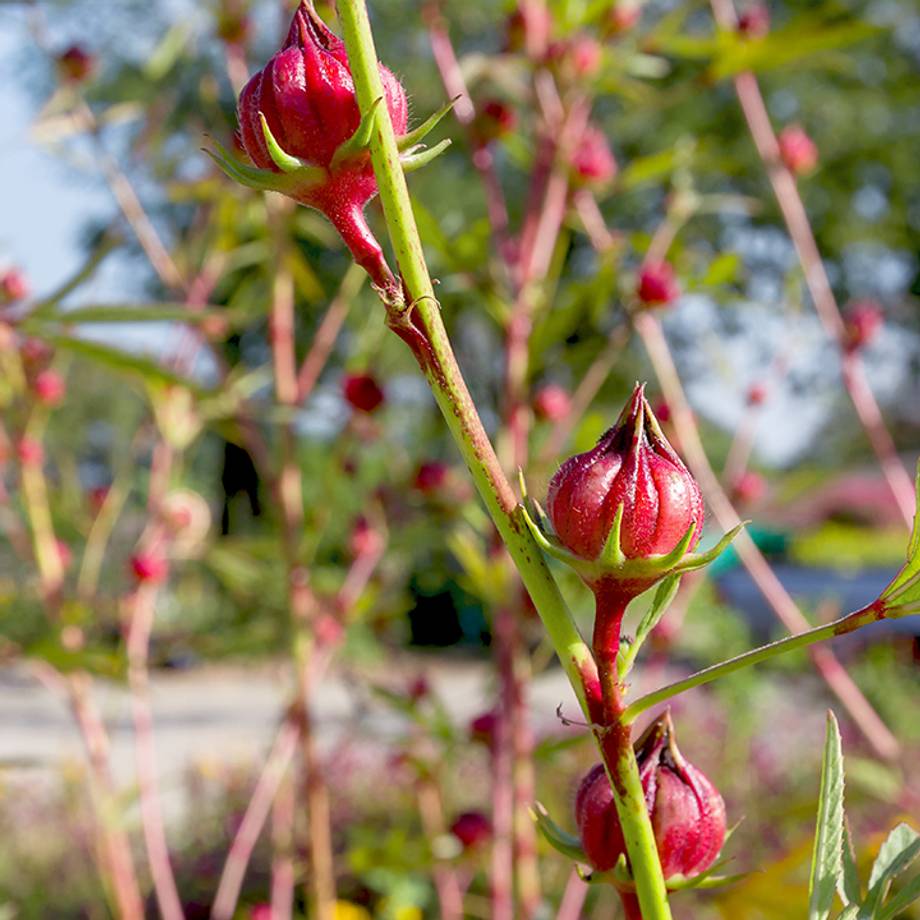
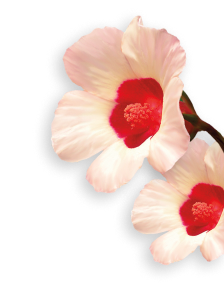
There are several hundred species of hibiscus shrubs and trees, often peppered with beautiful flowers that can be white, pink, red, yellow or even purple. The Hibiscus sabdariffa species is commonly used for its therapeutic benefits. It’s known for its striking white flowers with red centers. It is the calyx – the red, pliable pods that appear after the flowers bloom – that is used in herbal medicine.
Hibiscus can be grown in areas that get a warm and wet summer or in temperate climates like California. In colder places you’ll want to start the seeds indoors, away from potential frost. Once the cold weather has passed you can transplant them outdoors. Hibiscus shrubs like water, and you’ll know the herb is almost ready to be harvested once the flowers appear. A little over a week after the flowers bloom, you’ll notice flexible red calyces appearing. Pick them regularly and use them fresh or dry them to enjoy throughout the year.
Products that contain Hibiscus
EveryDay Detox® Hibiscus & Schisandra Berry Tea
Additional Information
Important Precautions
Consult a healthcare practitioner prior to use if you are pregnant or breastfeeding.
Legal Disclaimer
The information and other content in this article is designed to provide a general overview of the botany, cultural history, and traditional uses of this herb. It is not intended and should not be construed as health advice. Every person is unique and you should consult with your health care provider before using any herbal product or supplement.
Become an Herb Nerd & Get 10% Off!
Herbal tidbits, DIY plant projects, exclusive discounts, and recipes to follow the seasons delivered straight to your inbox.